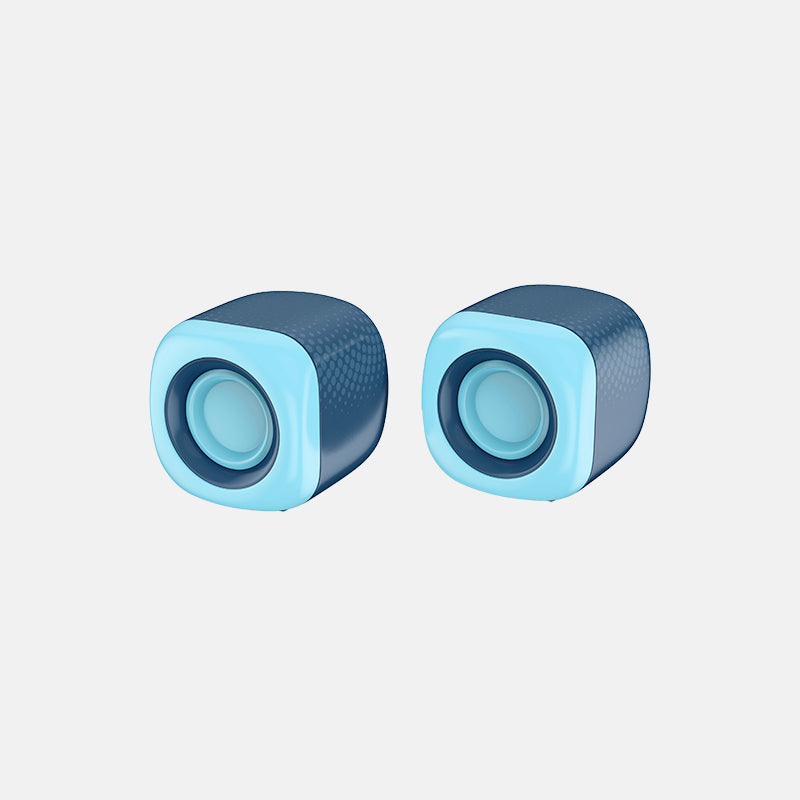
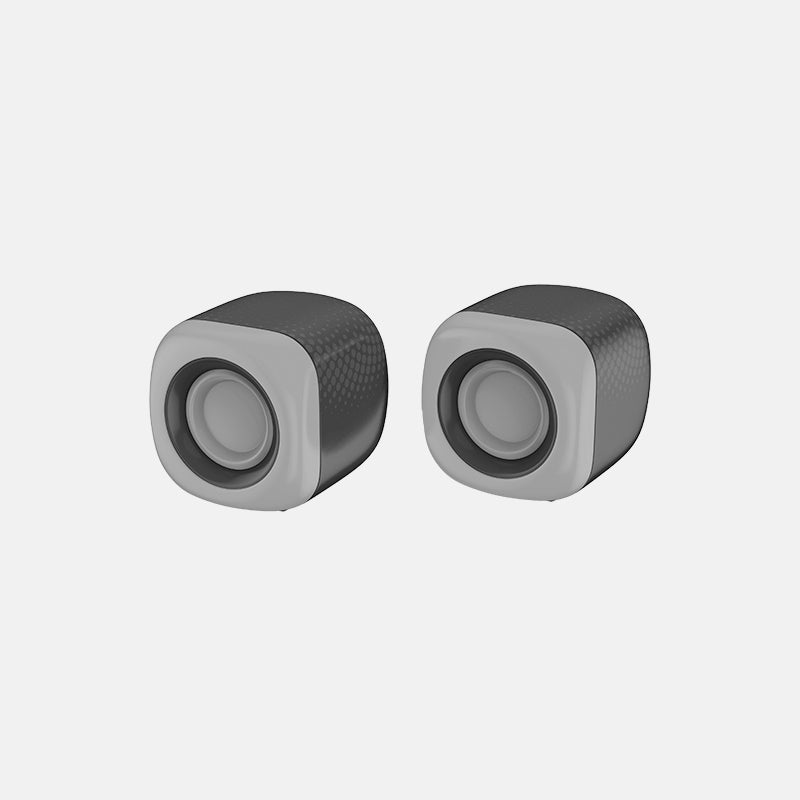


When it comes to producing high-quality audio, having the right equipment is essential. One crucial component of any professional studio setup is powered USB studio monitors. These monitors play a vital role in accurately reproducing sound, allowing producers and engineers to make informed decisions during the mixing and mastering process. But have you ever wondered about the science behind these powerful devices? In this blog post, we will explore the inner workings of powered USB studio monitors and how they contribute to the creation of exceptional audio.
What are powered USB studio monitors?
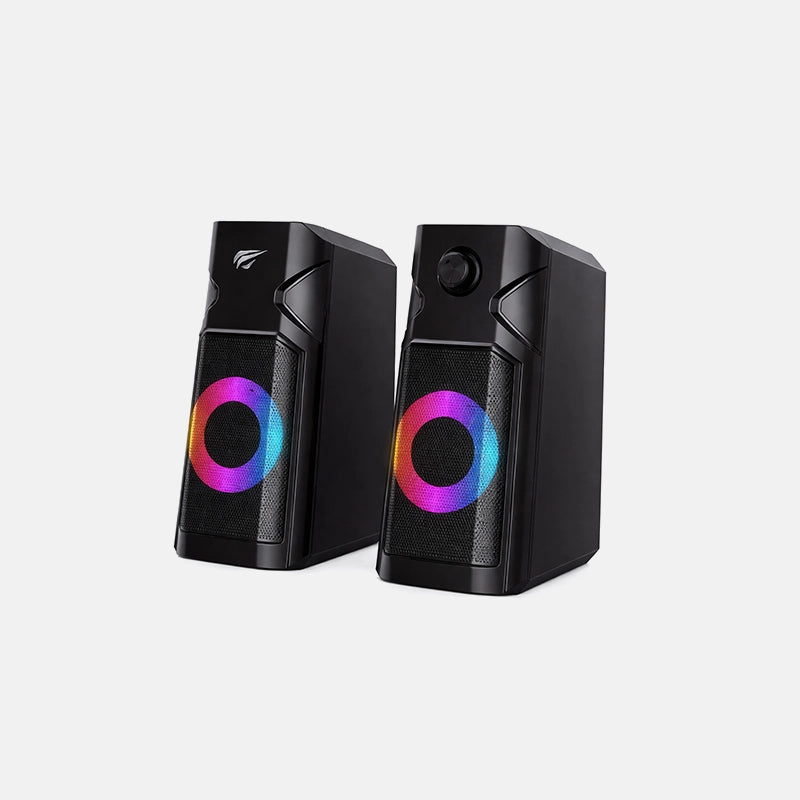
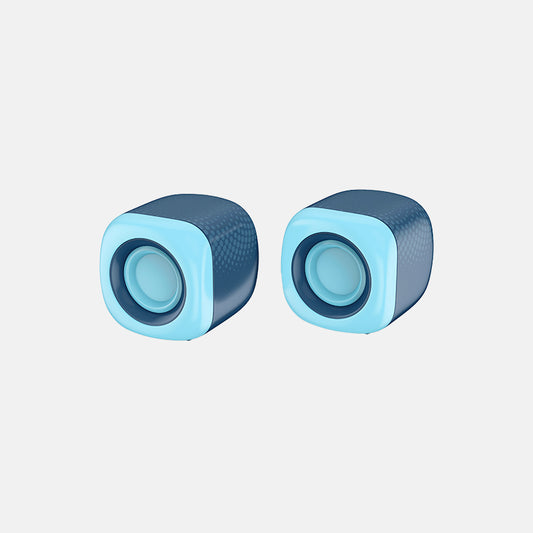
Powered USB studio monitors are specialized speakers designed for audio production. Unlike regular speakers, they have built-in amplifiers, eliminating the need for an external power source. The USB connectivity allows them to receive both power and audio signals from a computer, making them a convenient choice for home studios and professional setups alike.
How do powered USB studio monitors work?
At the heart of powered USB studio monitors are their amplifiers. These amplifiers receive the audio signal from the computer and boost it to a level suitable for the speakers. By having dedicated amplifiers for each driver (woofer and tweeter), powered USB studio monitors ensure accurate and balanced sound reproduction across the frequency spectrum.
Additionally, powered USB studio monitors often incorporate advanced digital signal processing (DSP) technology. DSP allows for precise control over the audio signal, enabling features like room correction, equalization, and time alignment. These capabilities help compensate for acoustic deficiencies in the listening environment, resulting in a more accurate representation of the audio.
Why are powered USB studio monitors important for audio production?
Accurate monitoring is crucial in audio production. Powered USB studio monitors provide a flat frequency response, meaning they reproduce sound without adding any coloration or distortion. This neutrality allows producers and engineers to hear the audio as it truly is, enabling them to make informed decisions regarding levels, panning, and effects.
Furthermore, powered USB studio monitors offer a wide dynamic range, allowing for precise control over the volume levels. This dynamic range ensures that no details are lost, even in the quietest or loudest parts of a mix. It is especially important when working on genres with a wide dynamic range, such as classical music or film soundtracks.
Conclusion
Powered USB studio monitors are a vital tool for audio production, providing accurate and detailed sound reproduction. By understanding the science behind these devices, producers and engineers can make the most of their studio setup and create exceptional audio. Whether you are a professional or an aspiring audio enthusiast, investing in powered USB studio monitors will undoubtedly elevate your listening experience and help you achieve the best possible sound.